
Solenoid valves help manage the movement of liquids and gases across many industrial environments. Their electrically operated mechanisms support accurate flow control, helping equipment perform routine tasks consistently. From production lines to water treatment processes, these compact components contribute to dependable operations. Understanding the range of https://www.vincervalve.com/what-is-a-solenoid-valve/ applications highlights how they support different systems with responsive operation and flexible installation options. Their versatility makes them valuable components in modern industrial equipment.
Supporting Manufacturing and Production
Manufacturing facilities use solenoid valves to coordinate fluid movement in equipment that performs repeated tasks. Their quick response makes them useful in automated processes.
- Pneumatic machinery: They direct compressed air to cylinders and actuators that support controlled movement.
- Cooling circuits: They regulate coolant flow to maintain suitable equipment temperatures.
- Lubrication systems: They manage lubricant delivery to selected machine parts.
- Packaging equipment: They control air and liquid flow in filling, sealing, and handling processes.
- Assembly operations: Their switching supports repeatable actions across production stages.
Applications in Water and Fluid Management
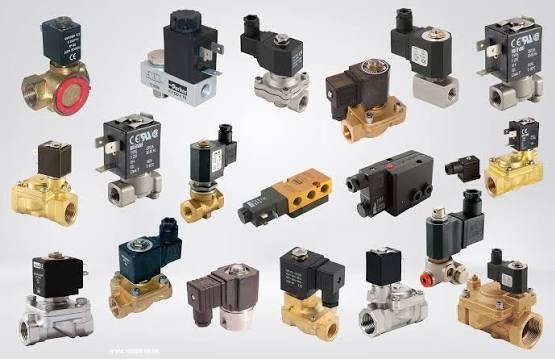
Water-related systems benefit from solenoid valves because they can start, stop, or redirect flow through electrical signals.
- Water treatment units: They control water movement through filtration, cleaning, and distribution stages.
- Irrigation equipment: They manage delivery across separate zones and scheduled cycles.
- Tank filling systems: They regulate inlet flow for consistent filling and level management.
- Pumping installations: They coordinate fluid pathways and automate operating sequences.
- Cleaning equipment: They control water or cleaning-solution flow in industrial washing systems.
Supporting Heating, Cooling, and Process Systems
Temperature management and process control often depend on accurate fluid movement. Solenoid valves regulate the supply of water, steam, refrigerants, and other compatible media.
- HVAC equipment: They manage refrigerant or water flow in heating and cooling circuits.
- Boiler systems: Suitable designs control fluid or fuel pathways during equipment operation.
- Food processing: They support liquid movement during mixing, dispensing, and cleaning.
- Chemical processing: Compatible materials allow controlled handling of selected process fluids.
- Air conditioning units: They assist refrigerant-flow management for stable cooling performance.
Advantages Across Industrial Systems
Solenoid valves offer adaptable designs and straightforward electrical operation. Selecting a valve according to pressure, temperature, flow rate, media compatibility, and connection requirements supports dependable performance.
Common benefits include:
- Responsive control: Electrical signals enable prompt opening and closing.
- Automation support: Valves integrate with control circuits and sensors.
- Space efficiency: Compact designs suit equipment with limited installation room.
- Consistent operation: Properly selected valves support repeatable flow management.
- Design flexibility: Different configurations serve varied flow paths and operating needs.
Choosing Suitable Valve Solutions
Each application has distinct operating conditions, so careful selection helps achieve effective results. Reviewing fluid type, flow capacity, pressure range, temperature, voltage, and duty cycle can guide the choice. Regular inspection and suitable maintenance further support long service life. With thoughtful integration, solenoid valves contribute to efficient workflows across industrial environments. For additional product and application information, explore https://www.vincervalve.com/es/ when considering suitable valve solutions for operational requirements.

